
Address:CECEP Industrial Park, No.1336 Hangfu Road, Chongfu Town, Tongxiang,Jiaxing,Zhejiang,China
Tel:0086-571-86241135
Fax:0086-571-86241730
Email:info@wipexchina.com

What is QUAT Test?
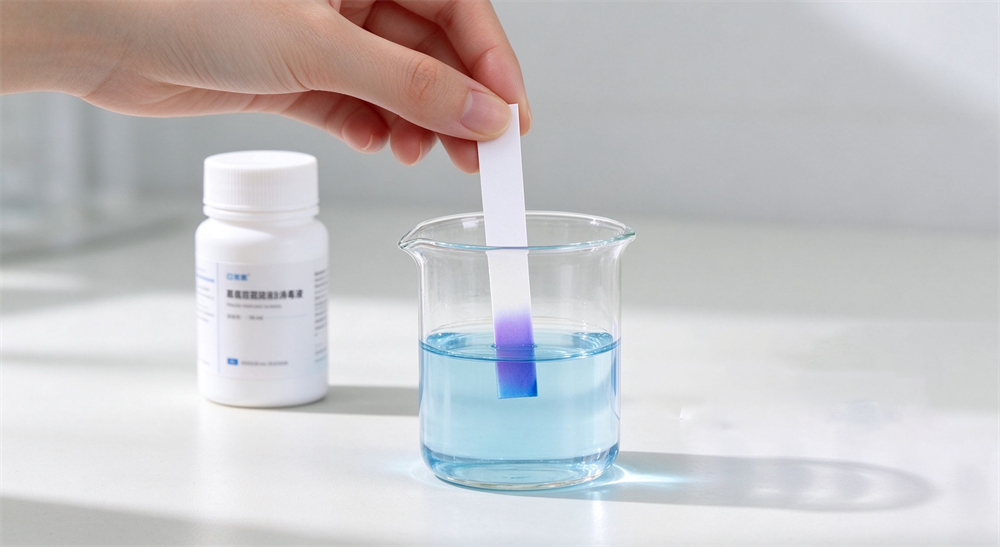
A QUAT test measures the concentration of quaternary ammonium compounds (commonly called "quats") in a sanitizing solution. Quats are a class of positively charged surfactants widely used as no-rinse sanitizers on food contact surfaces — from cutting boards and prep tables to conveyor belts and processing equipment in food facilities.
In the food industry, EPA-registered quat sanitizers are approved for use at 200–400 PPM on food contact surfaces. The FDA Food Code requires that sanitizer concentrations be maintained within this effective range throughout use. A QUAT test is performed by dipping a test strip (typically a Hydrion QT-10 strip, which reads 0–400 PPM) into the sanitizing solution for approximately 10 seconds, then comparing the color change against a reference chart to determine the concentration.
QUAT testing is not merely a best practice — it is a regulatory requirement for food safety compliance:
*Verification of sanitizer strength: Federal, state, and local health regulations require food facilities to have appropriate test kits on hand to verify that sanitizer solutions remain at effective concentrations.
*Prevention of pathogen survival: If the quat concentration drops below the minimum effective level, harmful bacteria such as Listeria, E. coli, and Salmonella may survive on food contact surfaces.
*HACCP compliance: QUAT testing supports Hazard Analysis and Critical Control Points (HACCP) programs by providing documented evidence that sanitizing parameters are being met during every production shift.
*Operational cost control: Over-concentrated solutions waste chemicals and may leave residues; under-concentrated solutions compromise safety. Regular QUAT testing ensures optimal dosing.
Several variables can cause sanitizer concentrations to drop below required levels:
Traditional reusable cleaning cloths — cotton bar towels, terry cloths, and microfiber wipers — are the primary cause of quat depletion in sanitizer buckets. Research consistently shows:
*Cotton bar towels can reduce quat concentration by 50% within 10 minutes of soaking.
*Microfiber cloths reduce quat levels by approximately 21%, a significant improvement over cotton but still not optimal.
*Generic foodservice towels, terry cloth, and linen all substantially reduce QAT concentrations during a four-hour test period, while specially engineered nonwoven substrates maintain quat concentration at original levels throughout the same period.
Disposable nonwoven cleaning cloths address these challenges through several key mechanisms:
Modern spunlace nonwoven fabrics made from viscose-polyester blends are engineered to minimize quat binding. The synthetic polyester component carries a positive or neutral charge, which does not attract the positively charged quat molecules. This means more sanitizer stays in solution — and more sanitizer reaches the food contact surface.
A controlled study comparing dry foodservice towels (DFT) against traditional cotton bar towels found that DFT binds less quat, making 33% more quat available for proper sanitization compared to a 100% cotton bar towel.
Disposable wipes eliminate the risk of cross-contamination that occurs when reusable cloths carry bacteria from one surface to another. In food processing environments where HACCP protocols demand strict separation between raw and ready-to-eat areas, single-use wipes provide a verifiable hygiene barrier.
Leading food safety standards recommend or require color-coded cleaning tools to prevent cross-contamination between different zones (e.g., raw food handling, ready-to-eat preparation, allergen-free areas). Disposable nonwoven wipes are available in multiple colors to support these systems without the risk of color fading or transfer associated with laundered textiles.
Reusable towels must be laundered with detergents and sometimes bleach or fabric softeners — all of which can leave residues that interfere with quat chemistry or introduce contaminants into the sanitizing solution. Disposable wipes arrive clean, consistent, and free from laundry chemical interference.
Because quat binding is minimized, the sanitizing solution remains at effective concentration longer. This reduces the frequency of bucket changes, lowers chemical usage, and delivers measurable cost savings over time. Enclosed disposable wiping systems have been shown to cut chemical usage by up to 20%.
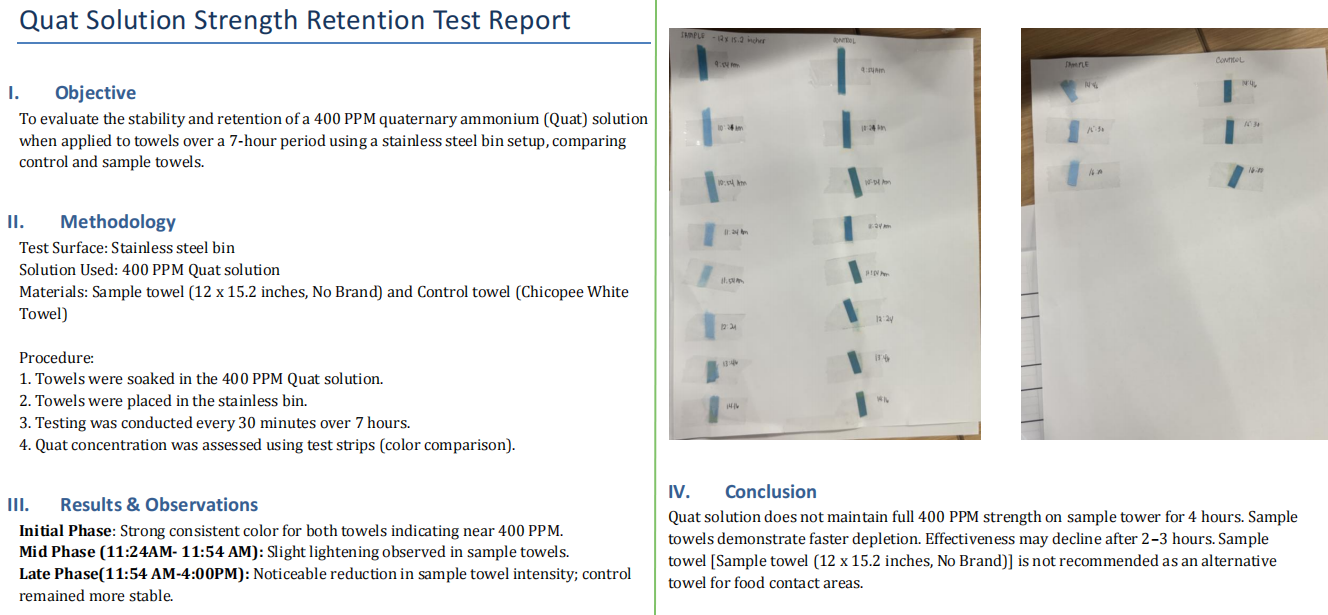
WIPEX's disposable nonwoven cleaning cloths have been independently tested for QUAT compatibility using the same standardized method described in the QUAT Test Report: soaking towels in a 400 PPM quat solution within a stainless steel bin setup, and measuring quat concentration with test strips every 30 minutes over a 7-hour period.
The test compared WIPEX nonwoven wipes against a control reusable towel (Chicopee White Towel). The results were clear:
|
Test Phase |
Time Period |
WIPEX Nonwoven Wipe |
Control Towel |
|
Initial Phase |
0 – 2 hours |
Strong, consistent color (near 400 PPM) |
Strong, consistent color (near 400 PPM) |
|
Mid Phase |
2 – 3 hours |
Slight lightening observed |
Slight lightening observed |
|
Late Phase |
3 – 7 hours |
Noticeable reduction in sample towel intensity |
Remained more stable |
While the reusable control towel showed gradual but persistent quat depletion throughout the test period, WIPEX nonwoven wipes maintained strong QUAT retention through the critical first 2–3 hours — the period during which sanitizer solutions are typically replaced in foodservice and food processing operations. The controlled depletion observed with the WIPEX wipes is consistent with the quat-compatible behavior of properly engineered viscose-polyester nonwoven substrates, which minimize ionic binding between the fabric and the positively charged quat molecules.
The test conclusion confirms that WIPEX nonwoven wipes do not exhibit the rapid quat depletion characteristic of cotton or untreated cellulose-based towels, validating their suitability for food contact area sanitization.
Based on client feedback and product validation, two WIPEX product lines have successfully passed QUAT testing:
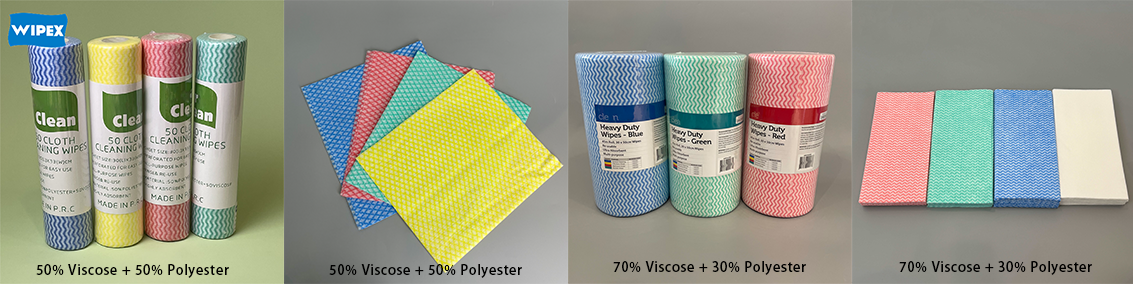
Product Line 1: 80 GSM — 70% Viscose / 30% Polyester, 4 Colors
This heavy-duty spunlace nonwoven wipe offers high absorbency and durability, making it ideal for food processing facilities where surfaces may have heavier soil loads. The 70/30 viscose-polyester blend balances softness with quat compatibility. Available in four colors to support HACCP color-coding systems.
Product Line 2: 40 GSM — 50% Viscose / 50% Polyester, 4 Colors
This lighter-weight nonwoven wipe is optimized for foodservice and light-duty food processing applications. The higher polyester content (50%) provides enhanced quat resistance, as polyester's positively charged surface does not attract quat molecules. Also available in four colors for zone-specific cleaning protocols.
Both product lines are manufactured using advanced French spunlace technology, delivering low-linting, fluff-free performance that meets the stringent hygiene requirements of food processing environments.
*QUAT-tested and validated: Independent testing confirms WIPEX nonwoven wipes minimize quat binding, keeping your sanitizer solution within the required 200–400 PPM range longer.
*Food-contact certified: WIPEX food-grade wipes are manufactured to meet food contact safety standards, suitable for direct use on food contact surfaces.
*Color-coded for HACCP: Available in four distinct colors per product line to support cross-contamination prevention protocols.
*French spunlace technology: Low-linting, high-strength, and consistent quality for professional food safety applications.
*Cost-efficient: Reduced chemical consumption from minimized quat binding translates to measurable operational savings.
For food safety managers evaluating cleaning cloth options, the data is clear: disposable nonwoven wipes — and specifically WIPEX's viscose-polyester spunlace products — deliver superior QUAT retention compared to traditional cotton, terry, or microfiber towels. Pairing WIPEX wipes with regular QUAT testing creates a two-layer defense for your food safety program: the right wipe keeps your sanitizer at strength, and regular testing verifies it.
Contact WIPEX today to request samples of our QUAT-tested nonwoven wipes and discuss how we can support your facility's food safety and HACCP compliance goals.
WIPEX is a professional manufacturer of spunlace nonwoven products, specializing in high-performance cleaning and care solutions for the food service, medical, hospitality, and industrial markets. Our food-grade wipes are trusted by food processing facilities and foodservice operations worldwide.
WIPEX wipers for the electronics industry are high strength, super clean, low-linting properties and...
WIPEX wipes work better than rags, are stronger and more durable than paper, and lower cost in use t...
WIPEX Aerospace Grade Wipes meet the toughest requirements from this industry. Our wipes are extreme...
Wipex Degreasing wipes are with excellent performance in using combination with degreasers. Made of ...
By high-tech German spunlace productionlines,our spunlace nonwovens are soft,no flufly,low linting,h...
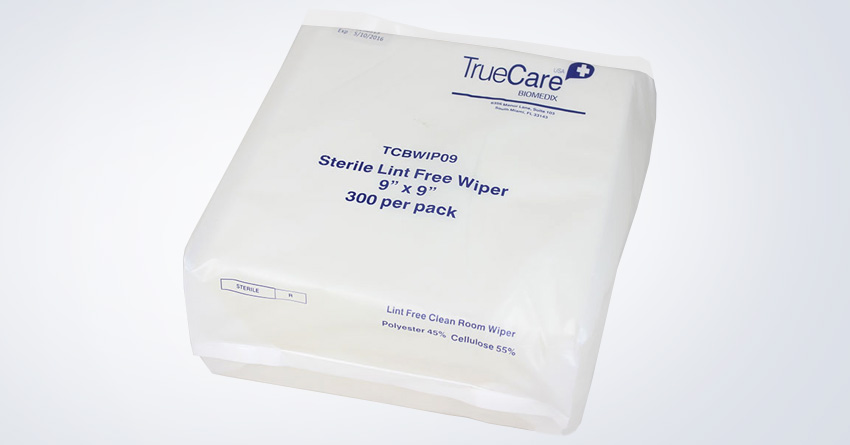
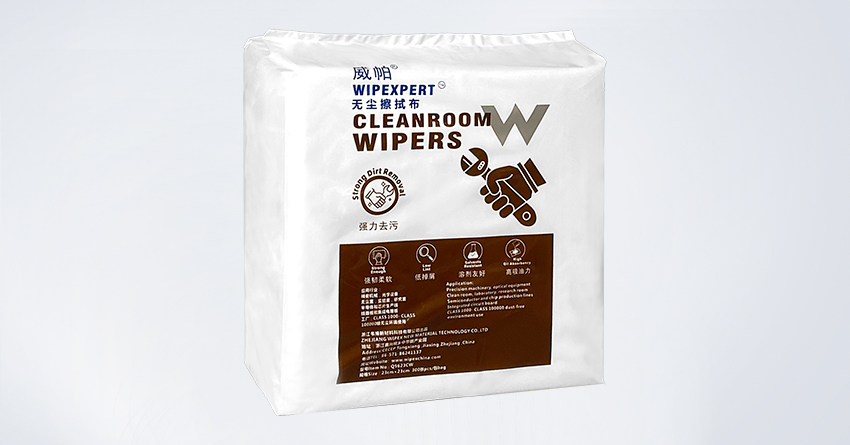
Using hightech hydroentangling technology, WIPEX cleanroom wipers are lintfree,strong and uniform. O...



 Direct Contact:
 Email:info@wipexchina.com
 WhatsApp:+8613588493391